
What Is The Success Rate Of Implant Supported Dentures?
Implant supported dentures have a high long-term success rate. In healthy patients, dental implants supporting dentures commonly show survival rates above 90–95% over many years. Outcomes depend on overall health, oral hygiene, smoking status, and proper treatment planning rather than the denture alone.
What “Success Rate” Means For Implant Supported Dentures
Success rate refers to more than whether implants remain in place. It also considers comfort, stability, absence of infection, and whether the denture functions as intended over time.
An implant can technically survive while the denture requires maintenance or adjustment. Understanding this distinction helps set realistic expectations.
How Long Implant Dentures Commonly Last
The implants themselves are designed to last for decades and may last a lifetime with proper care. The denture attached to the implants may need maintenance, relines, or replacement over time due to normal wear.
Patients exploring longevity in more detail often review How Often Do Implant Supported Dentures Need To Be Replaced? to understand expected timelines.
Factors That Influence Success Rates
Several factors affect long-term outcomes:
- Bone quality and implant placement
- Smoking or tobacco use
- Medical conditions such as diabetes
- Oral hygiene and professional maintenance
- Bite forces and grinding habits
Each factor influences risk differently, which is why individual evaluation matters.
What Can Go Wrong With Implant Supported Dentures
While overall success rates are high, complications can occur. These may involve infection around implants, loosening of attachment components, fracture of denture teeth, or irritation of surrounding gums.
Patients who want a clearer picture of potential problems often continue to What Can Go Wrong With Implant Supported Dentures? for a focused discussion of complications.
How Often Implant Supported Dentures Fail
True implant failure is uncommon, especially after the first year of healing. When failure does occur, it often relates to infection, insufficient bone support, or excessive force rather than the denture design itself.
For frequency and timing of failures, How Often Do Implant Supported Dentures Fail? explores when problems are most likely to occur.
Why Implant Supported Dentures Sometimes Fail
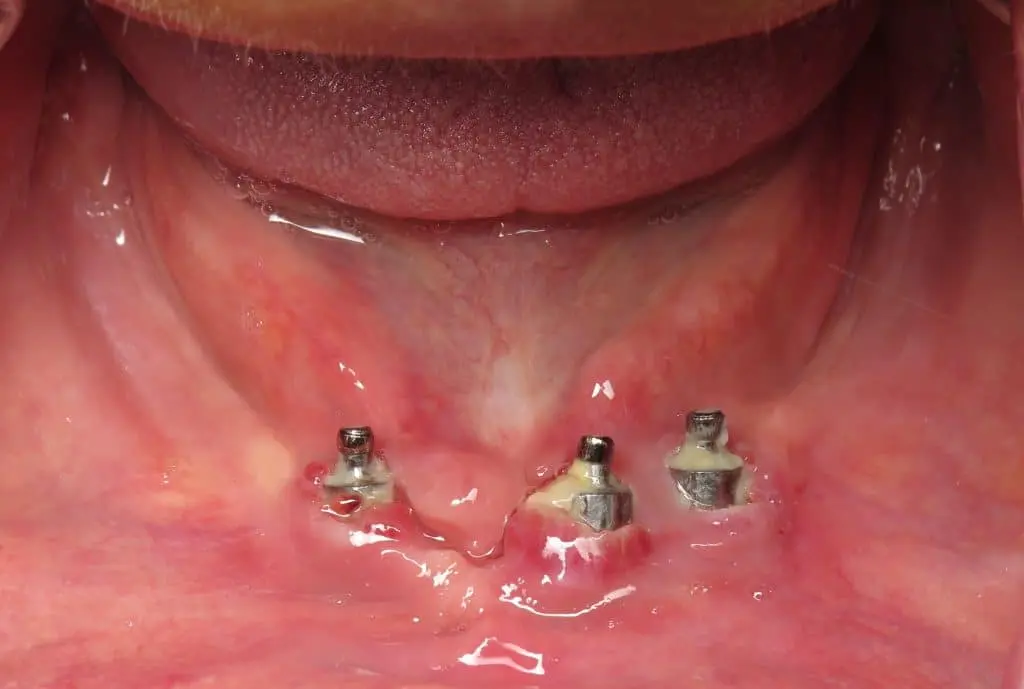
Failure usually results from a combination of factors rather than a single cause. Poor oral hygiene, smoking, untreated gum disease, and uncontrolled medical conditions increase risk over time.
Patients looking for cause-specific explanations often read Why Do Implant Supported Dentures Fail? to understand preventable versus unavoidable risks.
Does Denture Type Affect Success Rates?
Both removable and fixed implant dentures can be successful. Fixed designs may offer slightly greater stability, while removable designs allow easier cleaning.
The most successful option is the one matched appropriately to anatomy, health, and long-term maintenance ability.
How Maintenance Affects Long-Term Outcomes
Regular dental visits, professional cleanings, and prompt repair of worn components play a major role in success. Small issues addressed early are far less likely to compromise implants.
Long-term success depends as much on follow-up care as on the initial procedure.
When To Reevaluate Implant Supported Dentures
Reevaluation is recommended if a patient notices:
- Persistent discomfort or swelling
- Bleeding around implants
- Loosening or movement of the denture
- Changes in bite or chewing ability
Early intervention often preserves implant health and denture function.
Sources
- American Dental Association. Dental Implants: Benefits And Risks.
https://www.ada.org/resources/ada-library/oral-health-topics/dental-implants - National Institutes of Health. Dental Implant Survival And Success Rates.
https://www.ncbi.nlm.nih.gov/pmc/articles/PMC5806927/ - Mayo Clinic. Dental Implants.
https://www.mayoclinic.org/tests-procedures/dental-implant/about/pac-20384622