
What Makes Sedation Dentistry Safe During Implant Procedures?
Sedation dentistry can be a safe and effective option during dental implant procedures when it is carefully planned and properly monitored. Implant surgery often requires longer treatment times and precise surgical work, which makes patient comfort and safety especially important. When dentists match the type of sedation to the patient’s medical history and use dedicated monitoring throughout the procedure, sedation supports both comfort and surgical accuracy.
This article focuses specifically on why sedation dentistry is considered safe during implant procedures and not sedation dentistry in general.
Why Implant Procedures Require Additional Sedation Planning
Dental implant placement differs from routine dental care. Implant procedures often involve:
- Longer appointment times
- Surgical manipulation of bone and soft tissue
- The need for patient stillness
- Higher stress levels for anxious patients
Because of these factors, sedation planning for implants requires additional consideration beyond standard dental procedures. Safety depends on selecting the appropriate sedation level and ensuring continuous monitoring throughout treatment.
For a general overview of sedation dentistry, see:
What is sedation dentistry?
Patient Screening Is the Foundation of Safety
Sedation dentistry is safest when dentists perform a thorough pre-procedure evaluation. Before implant surgery, the dental team reviews:
- Medical history
- Current medications
- Previous reactions to sedation or anesthesia
- Conditions such as sleep apnea, heart disease, or respiratory issues

This screening process helps determine whether sedation is appropriate and which type best supports the patient’s health and the planned implant procedure.
Patients who require additional clearance may be referred for medical consultation before treatment.
Matching Sedation Type to Implant Complexity
Implant procedures often require deeper relaxation than routine dental care, but that does not mean all patients need the same level of sedation. Safety improves when the sedation choice matches both the procedure and the patient.
Common considerations include:
- Procedure length
- Number of implants placed
- Patient anxiety level
- Ability to remain still
Dentists select sedation methods that allow comfort while maintaining protective reflexes whenever possible. This individualized approach reduces unnecessary risk.
For a full breakdown of sedation options, see:
What are the four types of sedation in dentistry?
Continuous Monitoring During Implant Surgery
One of the most important safety factors during sedation dentistry for implants is continuous monitoring. Throughout the procedure, trained professionals monitor:
- Breathing
- Oxygen levels
- Heart rate
- Blood pressure
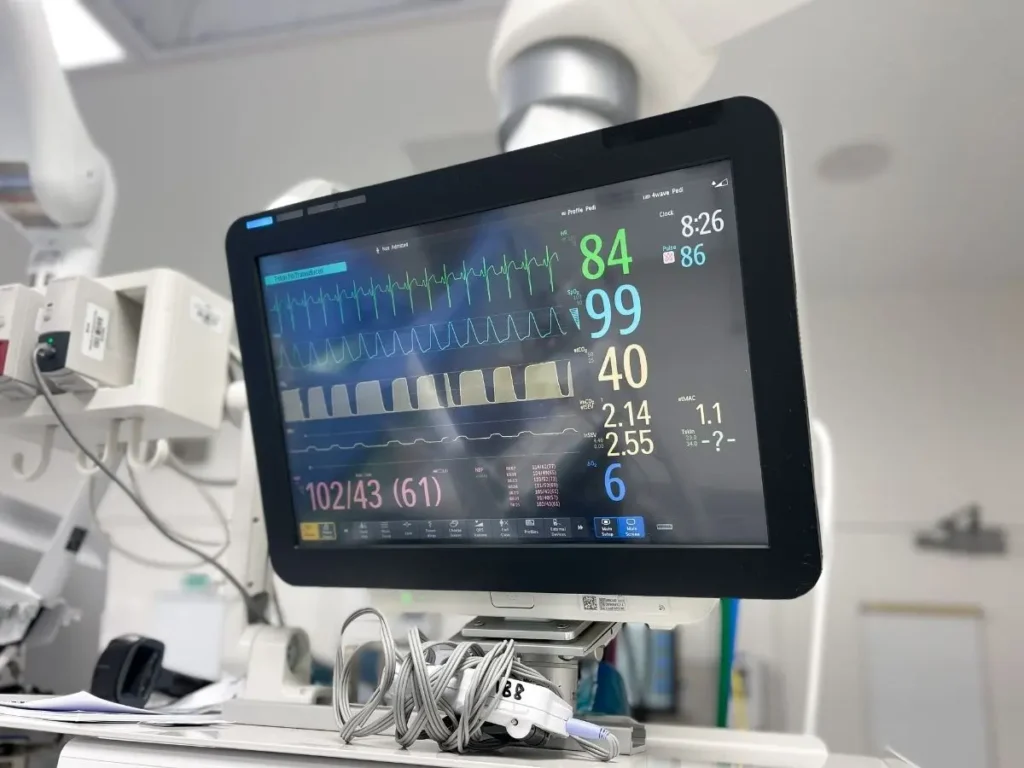
This monitoring allows the team to respond immediately to any changes and adjust sedation as needed. Constant observation is especially important during longer implant procedures where sedation effects may change over time.
Why Role Separation Improves Safety
Sedation safety improves when responsibilities are clearly divided. During implant procedures, best practices often involve:
- The dentist focusing solely on implant placement
- A trained anesthesia professional or sedation-certified provider monitoring sedation
This separation allows each professional to concentrate on a single role, reducing the risk of oversight during complex surgical care. Professional organizations emphasize this team-based approach as a key safety standard.
Sedation Supports Surgical Precision
Safety during implant procedures is not only about monitoring—it also involves surgical accuracy. Sedation helps patients remain calm and still, which allows dentists to work with greater precision.
By reducing sudden movement and stress responses, sedation can:
- Improve surgical control
- Reduce procedure interruptions
- Support predictable implant placement
These factors contribute indirectly to safer outcomes and smoother recovery.
Recovery and Post-Procedure Safety
After implant surgery with sedation, patients are monitored until they are stable and alert enough for discharge. Because sedative effects can last beyond the procedure, patients typically need:
- A responsible adult to drive them home
- Written aftercare instructions
- Time to rest before resuming normal activities
Following post-procedure guidelines is an important part of maintaining overall safety.
For recovery-specific questions, see:
How long does sedation take to wear off?
How long after sedation can you drive?
How This Differs From General Sedation Safety
This page focuses on implant-specific safety considerations. For a broader discussion of sedation dentistry safety across all procedures, see:
Is sedation dentistry safe?
Understanding safety at both the general and procedure-specific level helps patients make informed decisions about implant treatment.
Conclusion
Sedation dentistry can be safely used during implant procedures when it is carefully planned, properly monitored, and matched to the patient’s medical needs. Thorough screening, continuous monitoring, and a team-based approach all play a role in maintaining safety during implant surgery.
When these systems are in place, sedation supports patient comfort while allowing dentists to perform implant procedures with precision and confidence.
Sources & References
- American Dental Association (ADA) – Anesthesia and Sedation in Dentistry
https://www.ada.org/resources/ada-library/oral-health-topics/anesthesia-and-sedation - American Dental Association (ADA) – Guidelines for the Use of Sedation and General Anesthesia by Dentists
https://www.ada.org/resources/practice/practice-resources/anesthesia-and-sedation - American Society of Anesthesiologists (ASA) – Continuum of Depth of Sedation: Definition of General Anesthesia and Levels of Sedation
https://www.asahq.org/standards-and-guidelines/continuum-of-depth-of-sedation - National Institute of Dental and Craniofacial Research (NIDCR) – Dental Procedures and Sedation
https://www.nidcr.nih.gov/health-info/anesthesia - Cleveland Clinic – Sedation Dentistry: What It Is, Types, and Safety
https://my.clevelandclinic.org/health/treatments/22275-sedation-dentistry